

LifeGuard AI
A predictive healthcare continuity ecosystem unifying emergency intelligence, smart ICU monitoring, ambulance coordination, telemedicine infrastructure, hospital operations visibility, and AI-assisted clinical orchestration into one continuously adaptive healthcare intelligence environment.
Predictive emergency intelligence for continuously adaptive healthcare coordination
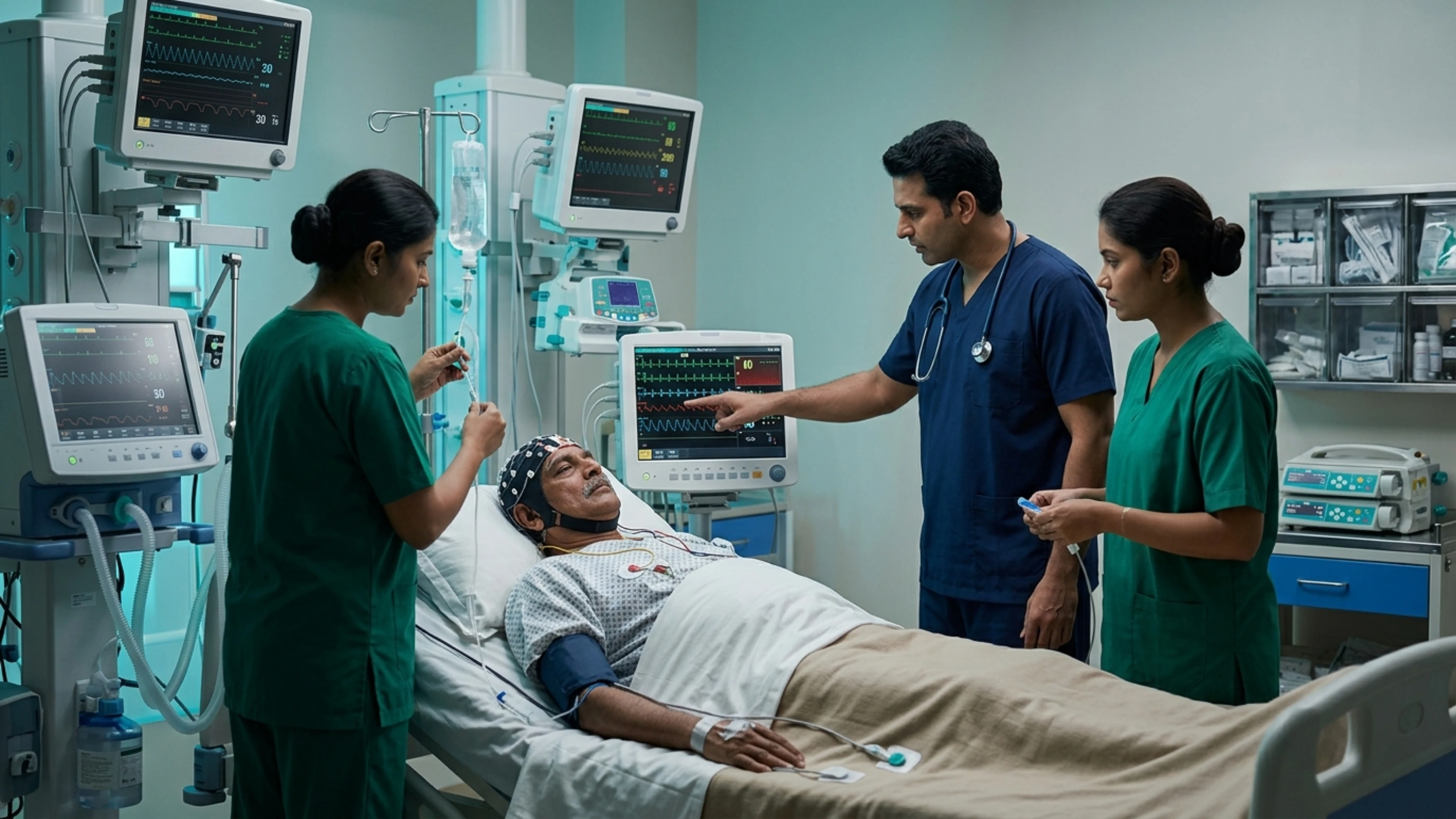
LifeGuard AI establishes a continuously synchronized healthcare intelligence ecosystem capable of coordinating emergency detection, ICU escalation workflows, ambulance synchronization, predictive intervention systems, and hospital-wide operational continuity through real-time clinical intelligence infrastructures.
Modern healthcare environments increasingly depend on rapid coordination between emergency response systems, ICU monitoring environments, hospital operations, ambulance routing, patient telemetry infrastructure, and clinical intervention workflows operating across continuously evolving healthcare ecosystems.
LifeGuard AI transforms fragmented healthcare operations into a predictive clinical intelligence environment capable of identifying escalation risks, supporting synchronized emergency response coordination, and maintaining healthcare continuity visibility across distributed medical infrastructure ecosystems.
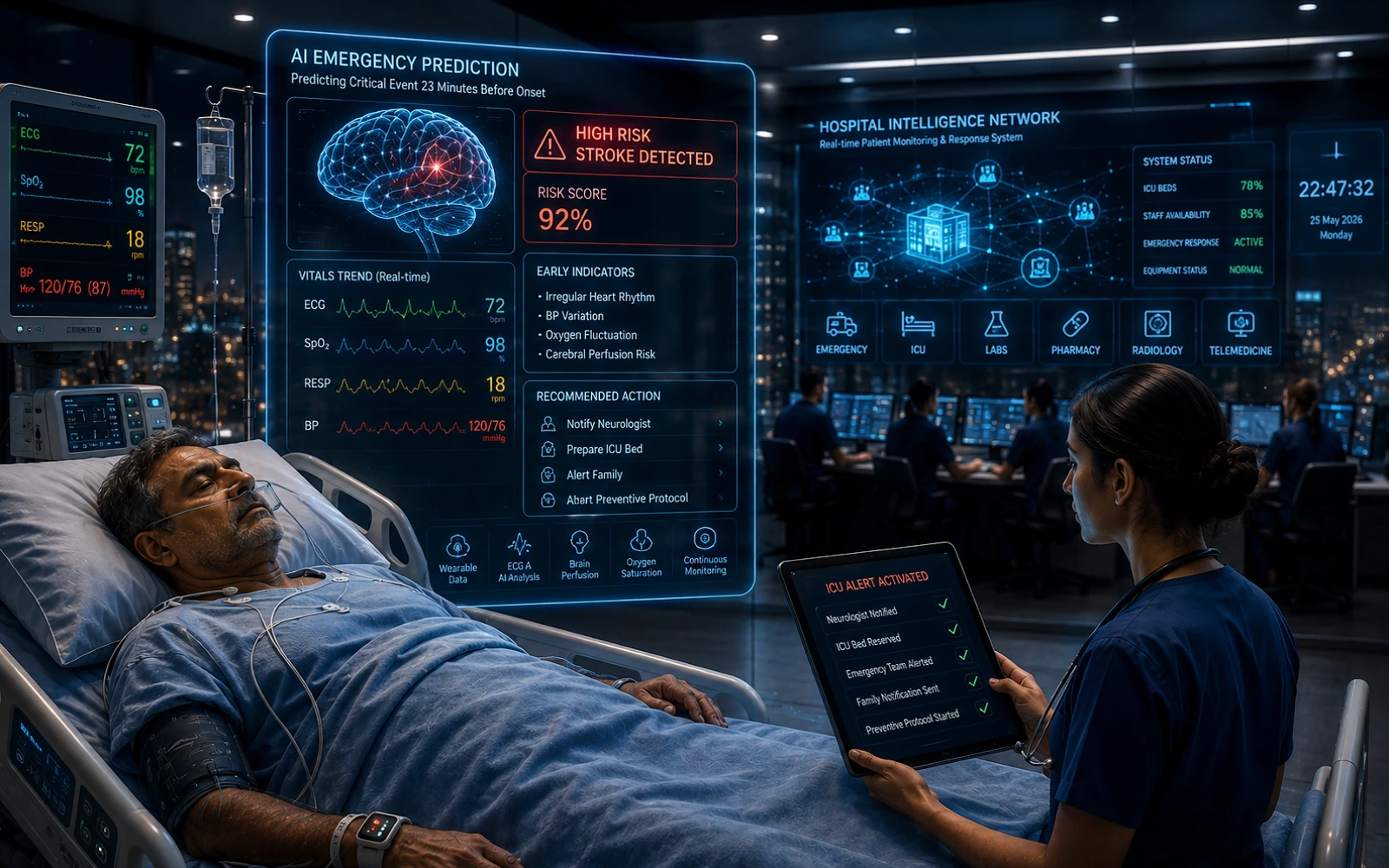
Identify high-risk clinical anomalies through continuously adaptive healthcare intelligence systems capable of monitoring emergency indicators, patient telemetry streams, and evolving intervention thresholds in real time.
Synchronize emergency departments, ICU environments, ambulance response systems, and clinical escalation teams through continuously connected healthcare orchestration infrastructures.
Maintain hospital-wide operational awareness across emergency response workflows, intervention pipelines, patient monitoring systems, and distributed healthcare coordination environments.
Coordinate emergency intervention workflows through predictive healthcare systems capable of dynamically adapting to patient escalation conditions, ICU load balancing, and real-time operational disruptions.
Intelligent ICU synchronization for continuously adaptive critical care visibility
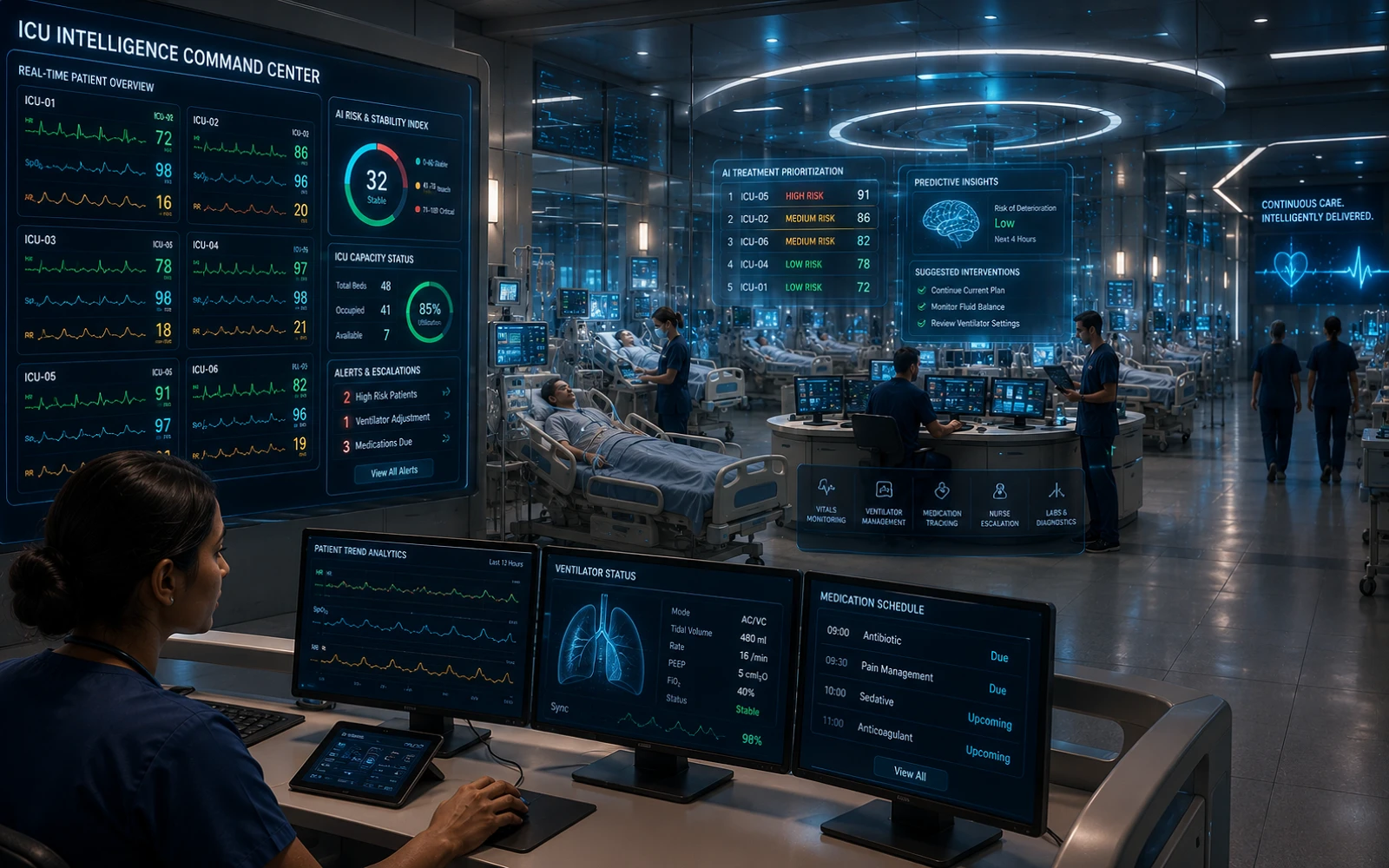
LifeGuard AI establishes a continuously connected ICU intelligence ecosystem capable of synchronizing patient telemetry, escalation alerts, clinical coordination, intervention visibility, and predictive monitoring environments through real-time healthcare continuity infrastructures.
Modern ICU environments increasingly depend on continuously synchronized patient telemetry systems, intervention workflows, nurse coordination environments, escalation monitoring pipelines, and critical care visibility infrastructures operating across high-pressure healthcare ecosystems.
LifeGuard AI transforms fragmented ICU monitoring operations into a predictive clinical intelligence environment capable of maintaining real-time escalation visibility, adaptive patient monitoring continuity, and synchronized intervention coordination across distributed critical care infrastructures.
Maintain synchronized visibility across ICU telemetry systems, patient vitals, oxygen monitoring environments, cardiac indicators, and continuously evolving clinical escalation conditions.
Identify intervention risks through continuously adaptive ICU intelligence systems capable of monitoring evolving patient instability indicators and escalation thresholds in real time.
Synchronize doctors, nurses, emergency escalation teams, respiratory support systems, and intervention workflows through connected ICU coordination infrastructures.
Connected hospital operations through adaptive healthcare intelligence
LifeGuard AI synchronizes hospital coordination workflows, emergency operations, patient movement visibility, clinical response systems, and healthcare continuity intelligence into one continuously adaptive operational healthcare ecosystem.
Modern hospitals increasingly depend on continuously connected coordination between ICU environments, emergency departments, nurse stations, patient movement systems, ambulance inflow, intervention workflows, and operational healthcare visibility infrastructures.
LifeGuard AI establishes a synchronized hospital intelligence layer capable of maintaining operational awareness across emergency escalation pipelines, patient routing systems, clinical coordination environments, and distributed healthcare response infrastructures.
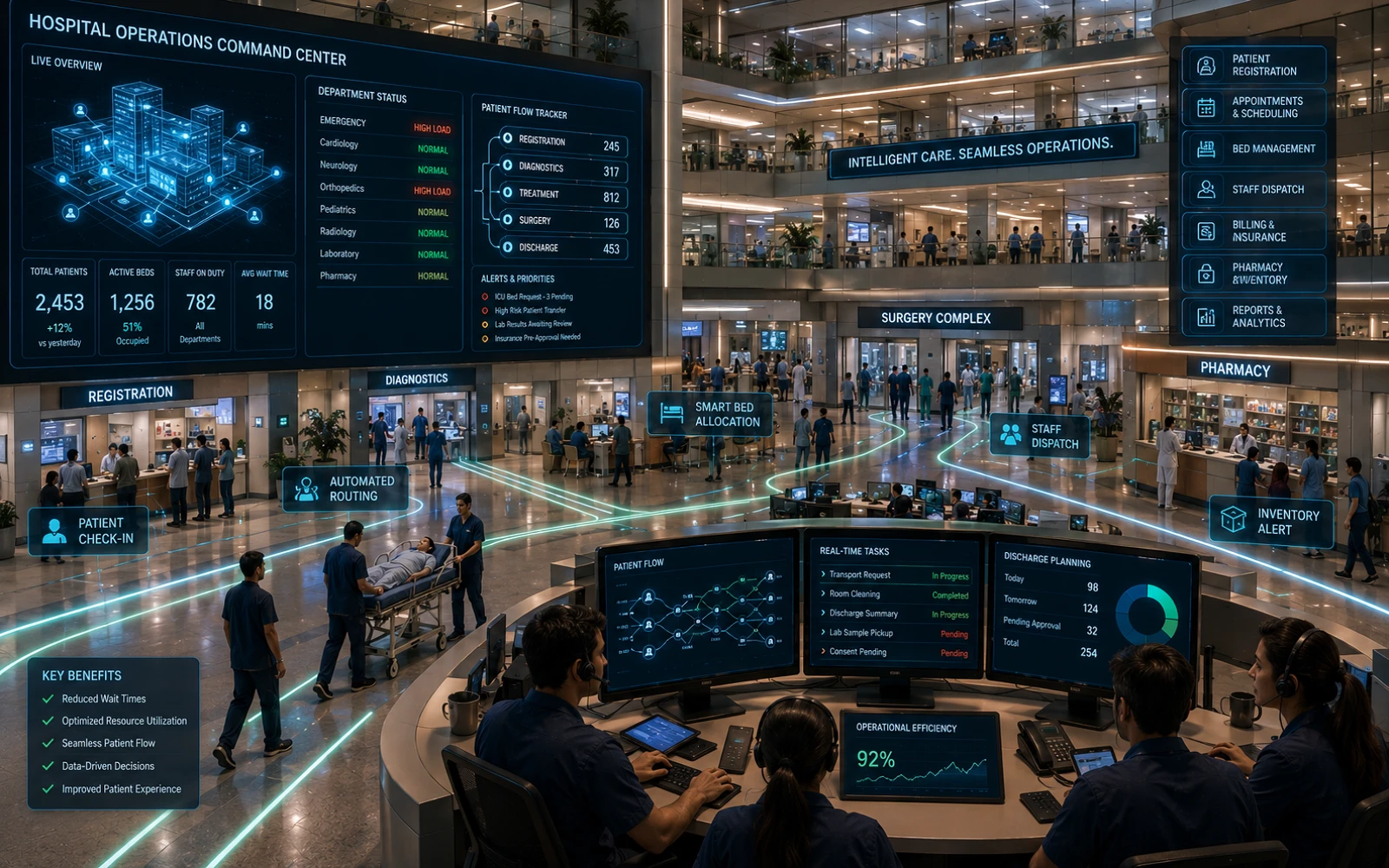
Maintain synchronized awareness across emergency wards, ICU systems, patient transfer environments, intervention workflows, and hospital-wide operational coordination infrastructures.
Coordinate patient routing, emergency inflow management, ICU allocation workflows, and healthcare escalation pathways through continuously adaptive operational intelligence systems.
Synchronize doctors, nursing teams, emergency response staff, ICU escalation environments, and intervention operations through connected healthcare coordination ecosystems.
Enable continuously adaptive hospital operations through synchronized healthcare intelligence systems capable of coordinating emergency escalation, intervention continuity, and distributed clinical response environments.
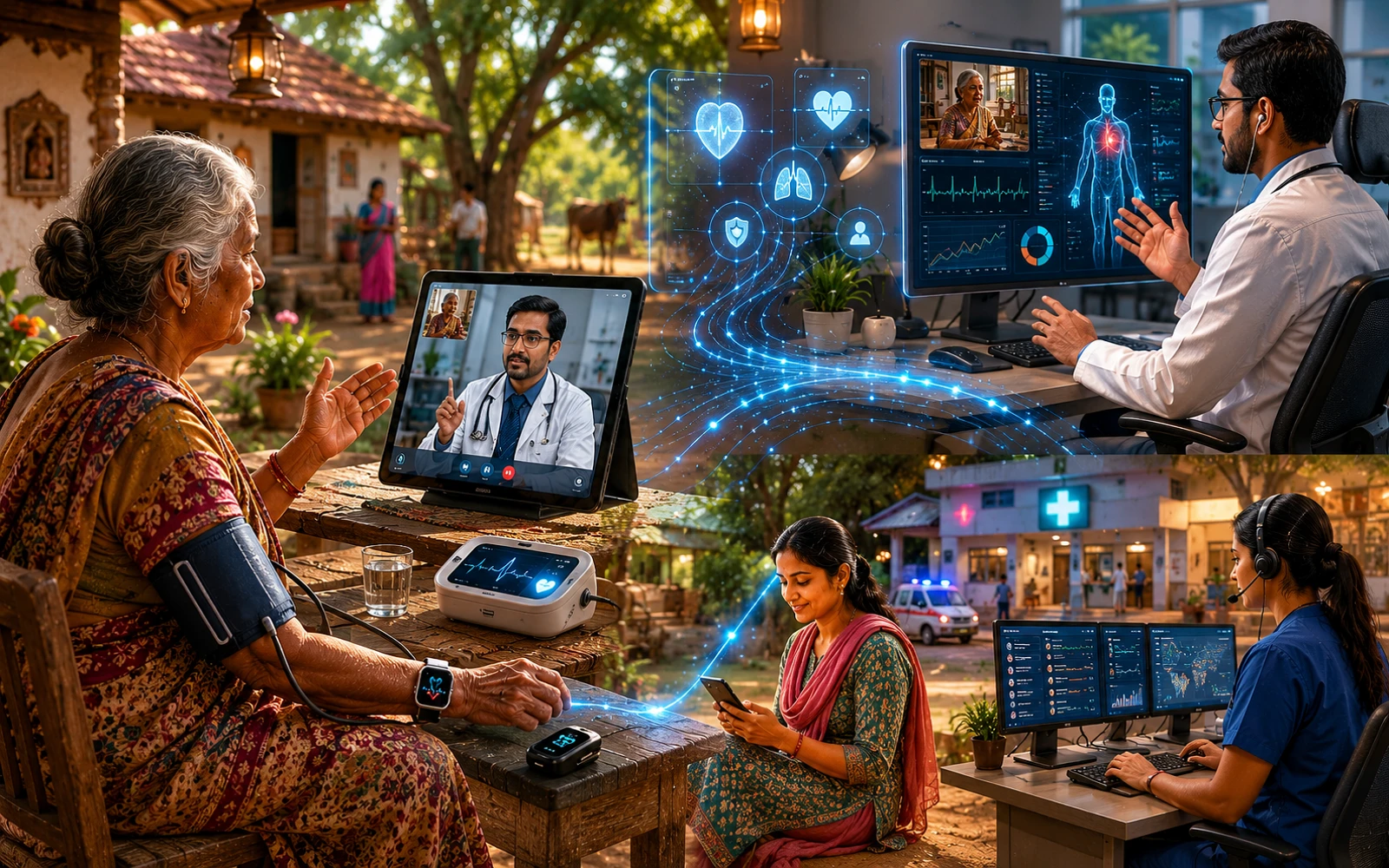
Connected telemedicine intelligence for adaptive healthcare accessibility
LifeGuard AI establishes a continuously connected telemedicine ecosystem capable of synchronizing remote consultations, clinical escalation workflows, patient monitoring visibility, emergency coordination, and healthcare continuity infrastructures across distributed medical environments.
Modern healthcare delivery increasingly depends on continuously adaptive remote consultation systems, distributed medical access infrastructures, telehealth coordination environments, patient monitoring continuity, and synchronized clinical communication ecosystems operating beyond traditional hospital boundaries.
LifeGuard AI transforms fragmented telemedicine operations into a predictive healthcare coordination environment capable of maintaining remote clinical visibility, adaptive consultation continuity, emergency escalation synchronization, and connected patient care infrastructures.
Synchronize doctors, remote consultation environments, patient interaction systems, and distributed healthcare communication workflows through continuously connected telemedicine infrastructures.
Expand healthcare continuity across geographically distributed regions through synchronized telehealth coordination systems capable of maintaining low-latency medical interaction environments.
Maintain synchronized patient visibility across remote consultations, wearable telemetry systems, follow-up workflows, and predictive healthcare escalation environments.
Real-time ambulance synchronization for adaptive emergency response continuity
LifeGuard AI establishes a continuously connected emergency coordination ecosystem capable of synchronizing ambulance routing, emergency escalation visibility, hospital readiness systems, patient transfer continuity, and predictive response intelligence through real-time healthcare orchestration infrastructures.
Modern emergency healthcare systems increasingly depend on continuously adaptive coordination between ambulance fleets, emergency departments, ICU readiness environments, patient transfer workflows, routing systems, and hospital escalation infrastructures operating across rapidly evolving response conditions.
LifeGuard AI transforms fragmented ambulance coordination operations into a predictive emergency intelligence ecosystem capable of maintaining synchronized response visibility, adaptive routing continuity, emergency escalation awareness, and connected healthcare transfer infrastructures.
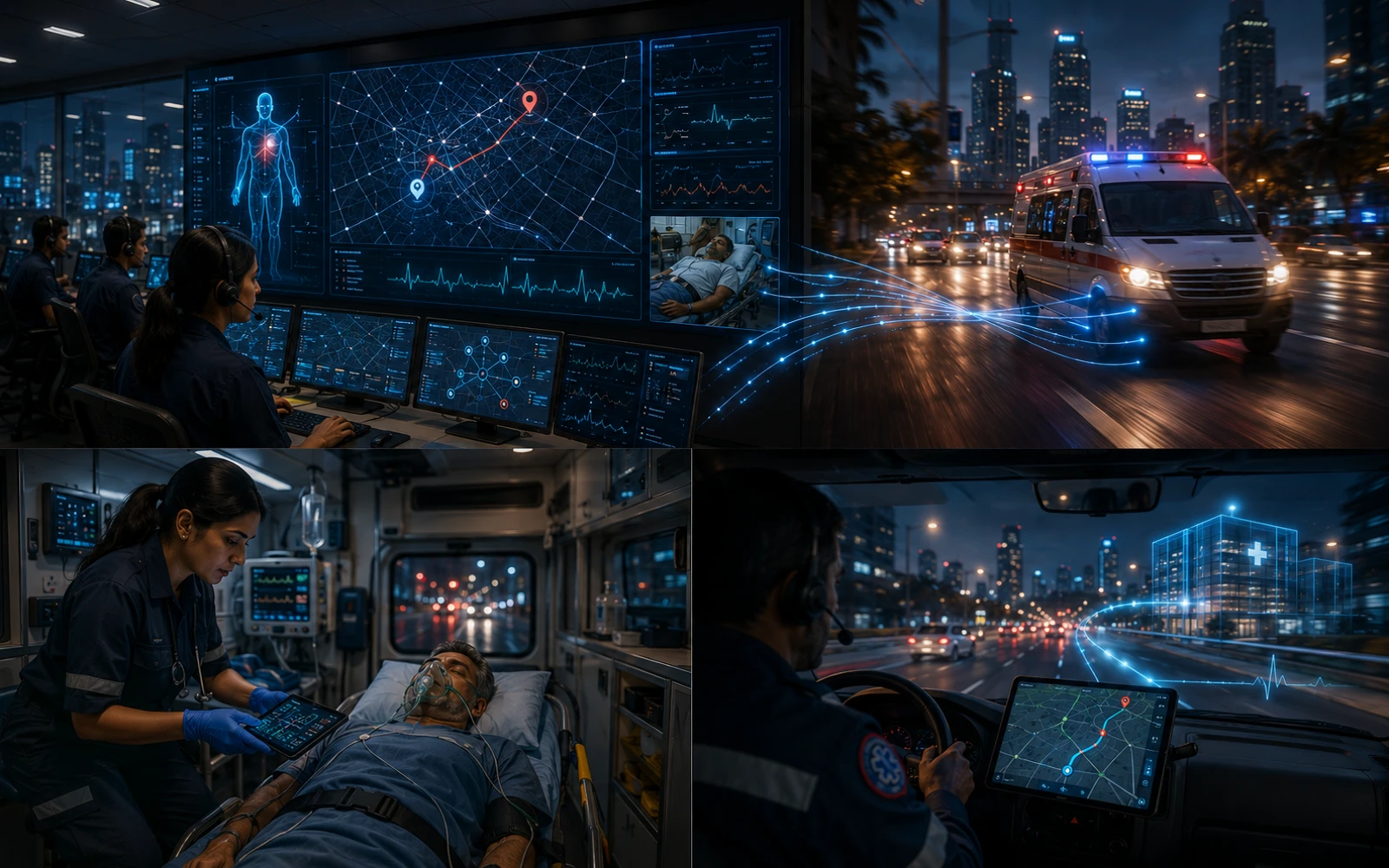
Coordinate ambulance routing environments through continuously adaptive emergency intelligence systems capable of identifying optimal healthcare transfer pathways during rapidly evolving clinical escalation conditions.
Maintain synchronized emergency visibility across ICU readiness systems, emergency intake environments, intervention teams, and healthcare escalation coordination infrastructures.
Enable continuously connected emergency coordination through synchronized ambulance telemetry systems, response tracking environments, and predictive healthcare transfer infrastructures.
Coordinate distributed emergency healthcare ecosystems through adaptive response intelligence capable of maintaining synchronized intervention continuity during high-pressure operational escalation scenarios.
Connecting emergency intelligence, healthcare continuity, and adaptive clinical coordination
LifeGuard AI functions as a unified healthcare intelligence ecosystem synchronizing emergency response coordination, ICU monitoring environments, telemedicine continuity, ambulance routing, hospital operations visibility, and predictive clinical intervention systems into one continuously adaptive healthcare orchestration infrastructure.
Modern healthcare ecosystems increasingly depend on continuously connected operational intelligence capable of synchronizing emergency response environments, ICU escalation workflows, patient telemetry systems, distributed consultation infrastructures, and hospital-wide clinical coordination ecosystems.
LifeGuard AI establishes a predictive healthcare continuity layer capable of maintaining synchronized operational visibility across emergency interventions, clinical escalation environments, distributed healthcare response systems, and adaptive patient coordination infrastructures.
Synchronize emergency response systems, ICU monitoring environments, telemedicine infrastructures, ambulance coordination, and hospital operations through one unified healthcare intelligence ecosystem.
Maintain continuously adaptive clinical awareness through synchronized patient telemetry systems, emergency escalation workflows, intervention visibility, and predictive healthcare intelligence infrastructures.
Coordinate healthcare response ecosystems through continuously connected emergency infrastructures capable of adapting to evolving patient escalation conditions and distributed clinical coordination requirements.
Bridge emergency departments, ICU systems, ambulance environments, telemedicine coordination, and hospital-wide operational intelligence through integrated healthcare continuity ecosystems.
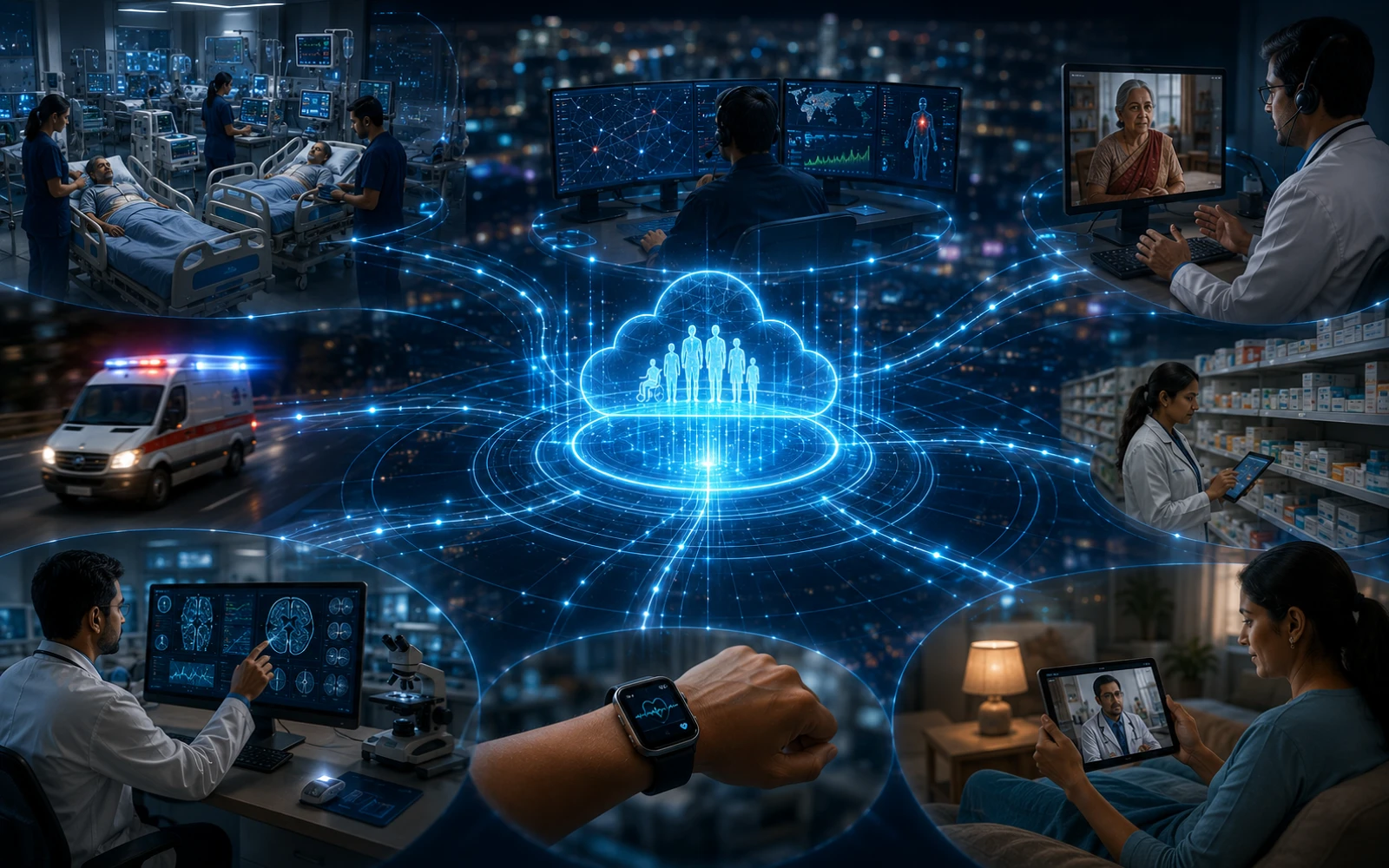
LifeGuard AI Ecosystem
Emergency Intelligence, Clinical Coordination, & Predictive Healthcare — Unified
LifeGuard AI enables hospitals, emergency response ecosystems, ICU environments, telemedicine infrastructures, ambulance coordination systems, and distributed healthcare operations to function through one continuously adaptive healthcare intelligence ecosystem designed for predictive clinical continuity and synchronized emergency response coordination.